

A Survivor’s Blog
Letters, lessons, and truths from the other side of fear.
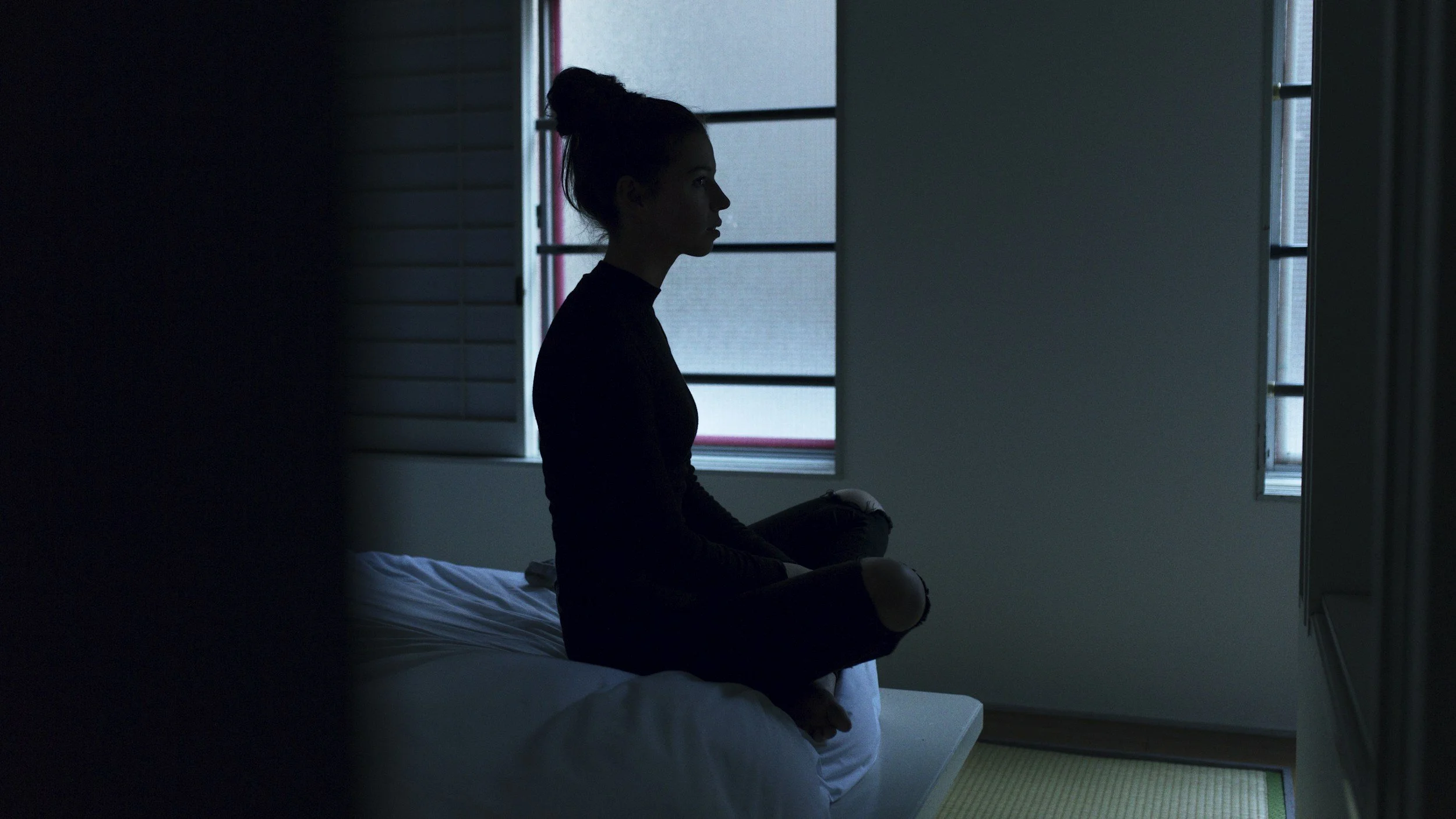
“Am I the Only One?” High-Achieving Professionals and Domestic Abuse
If you’ve ever wondered, 'Am I the only one?', you are not alone. Many high-achieving professionals quietly face controlling, manipulative, or abusive behavior at home. This post offers validation, insight, and guidance on finding confidential, tailored support— on your terms.
You Are Not Alone
I know what it’s like to smile while hiding tears and to edit my stories to convince others that my home life is happy and healthy. Meanwhile, I repeatedly asked myself, “Why is this happening to me?”
I was convinced that no colleague or other professional could personally understand what I was going through because I believed I was the only one. But I wasn’t. And if you are living this same complex, exhausting, and confusing life, you are not alone either.
Abuse Can Hide Behind Success
Many professionals who are successful, driven, and capable experience controlling, manipulative, or abusive behavior at the hands of their intimate partner. This does not mean you’re weak or failing—it means you’re human, and abuse can hide behind even the most polished careers.
You never asked to be in an abusive relationship, and you didn’t know it was going to become one. But the problem with domestic abuse is that the cycle traps you, and it can feel impossible to escape. That feeling—that your experience will never change—can drive you to hide it or convince yourself it isn’t happening.
Meanwhile, it is happening. You are being abused, and there are real consequences—psychological, emotional, and physical.
Why High Achievers Often Feel Alone
High-achieving professionals are often praised for resilience, composure, and problem-solving. These traits serve you well in the workplace, but they can make it harder to recognize abusive behaviors or to disclose abuse.
Your abuser may exploit your success, independence, or professional identity to maintain control over you, leaving you questioning how this can happen to you and whether anyone else has experienced the same things.
Contributing to your confusion is also the fact that you are surrounded by a society that typically portrays victims as individuals who don’t look like you—they are uneducated, low-income, or not respected professionals. This makes it easy to convince yourself that you are alone because domestic abuse doesn’t happen to people like you.
Abuse Is Real and You Are Not Alone
Your abuser is wrong—it is abuse. Societal stereotypes are misleading, and the narratives are false—people like you can be victims too.
You do not need to call yourself a victim. You do not need to publicly declare that your relationship is abusive. But, if you think you may be in an abusive relationship, it could be beneficial to objectively look at your situation. You can do this alone, and are not obligated to tell anyone.
If your partner exhibits a pattern of behavior to exert power and control through gaslighting, manipulation, belittling, humiliation, insults, degrading words, isolation, or threats, you may be in an abusive relationship. A comprehensive list of questions to ask yourself can be found here.
Experiencing Abuse Does Not Make You Weak
Many people who ask themselves, “Am I the only one?” are strong, competent, and resilient. They are respected leaders, fierce advocates, experts in their fields, and supportive mentors.
The problem is not you—and a secret life of abuse is not your destiny.
You don’t have to navigate this alone. Confidential coaching and support can help you:
Clarify your options and design a strategic, safe plan
Discover your personal goals and vision
Manage professional and personal challenges while navigating away from your abuser
Support is available on your terms—whether you want guidance, clarity, or simply a private space to think.
If you’ve been wondering, “Am I the only one?”, know this: you are not alone. Many high-achieving professionals quietly face the same challenges, and help exists when you’re ready. Reaching out for guidance and support is a sign of strength, not weakness.

“My Marriage Is Bad, But Not Abusive… Or Is It?”
Countless people stay in harmful relationships because they don’t believe their experience “counts” as abuse. I was one of those people. And if you have thought that about your relationship, this post is for you.
I didn’t admit that my marriage was abusive until years after my divorce. Even when he humiliated me, degraded me, reminded me that I was worthless, shoved me against walls, broke my personal items, or disappeared overnight, I still would tell myself that my marriage is bad, but it wasn’t abuse.
I repeatedly told myself:
“I would know if I were a victim — and I can’t be, because I would never allow that to happen. I would leave.”
“It’s bad, but there are good moments.”
“I wish he would hit me again.” Despite the bruises, marks, and pains, I told myself that if he actually injured me, then I would leave because that would be abuse.
Countless survivors who did not experience physical abuse, but endured psychological, verbal, sexual, or financial abuse, have told me that they also thought “I wish he would hit me just once, because then I would leave.”
The common theme that I hear from survivors, and that I experienced myself, is the belief that our abuse wasn’t “bad enough” to be considered abuse. If we weren’t hit, we told ourselves that we needed to be. If we were hit, we convinced ourselves that we needed injuries. If we had injuries, we rationalized that they were minor because we could hide them. We became masters at minimizing, justifying, and excusing.
I also became a master at compartmentalizing – and simply forgetting. I could endure my husband’s outrage one moment and then walk into my office with a smile on my face, working as though I hadn’t just been accused of having an affair, degraded, or threatened. To this day, over eight years later, I still have to wrack my brain to remember some of the worse things that happened– things that most people would never forget.
But it was abuse. It didn’t need to be “more” or “worse.” It was all abuse.
If you have had these thoughts, I suggest you ask yourself the following questions.
Do I avoid certain places, actions, people, or topics because they make my partner unreasonably upset?
Do I edit or leave out parts of stories about my relationship or partner because I’m worried others might think badly about my partner or my relationship?
Do I feel like I often minimize or excuse my partner’s behaviors or actions?
Am I frequently checking in with or updating my partner about my whereabouts because I feel anxious or afraid of being questioned or accused?
Do I feel like I’m constantly accommodating my partner to avoid their negative actions or reactions?
Do I feel punished by my partner when I do something they do not like?
Do I feel anxious or fearful about how my partner might react to my actions or decisions?
Have I experienced or feared physical harm, threats or destruction of my property from my partner?
Has my partner ever called me names, made degrading comments, yelled, intimidated, or belittled me?
Does my partner give me the silent treatment when they are upset with me?
Does my partner’s behavior make me feel isolated from my friends or family or make me miss out on social activities?
Does my partner frequently criticize or find fault in what I do– even in small things?
Does my partner use affection (physical or emotional) or time together as a way to reward or punish me?
Does my partner talk down to me or treat me like I am a child?
Does my partner make jokes or comments that feel humiliating or hurtful, especially in public?
Does my partner use intimacy or sex as a way to control or pressure me?
Has my partner ever shamed me about my sexual desires or pressured me to meet their desires?
Does my partner manage or control my access to money by withholding, restricting, questioning, or taking it from me?
If you answered yes to any of these, it may be a sign that your relationship is affecting your well-being and may be abusive. Recognizing these behaviors that feel harmful or unsafe is a brave first step.
To learn more about the many forms abuse can take, you can explore additional resources here. And if you’re ready to reclaim your freedom and peace, TLC is here to support you through confidential, strategic caWe will walk beside you every step of the way.
Certified Professional Coach Amanda Lee has been in your shoes. She endured—and ultimately broke free from—an abusive marriage while building a successful career as an attorney. Today, she uses that lived experience and professional expertise to guide others toward safety, clarity, and a future defined by strength, not fear.
Let TLC help you find the freedom to thrive.
If you are in immediate danger - call 911.