

A Survivor’s Blog
Letters, lessons, and truths from the other side of fear.

The Impact of Domestic Violence on Attorney Well-Being and Professional Responsibility
A significant yet overlooked reality in the legal profession is that many successful, high-achieving attorneys secretly endure domestic violence. Deeply rooted stereotypes and misunderstandings about what domestic violence is and who it affects has contributed to stigmas. These stigmas discourage attorneys from seeking help or leaving an abusive relationship.
The profession has increasingly recognized that personal stress can materially impair an attorney’s performance, which may create ethical concerns. While conversations about burnout, mental health, and substance abuse are now common, the profession has largely failed to acknowledge that extent to which domestic violence affects its own colleagues.
This article challenges the misconceptions about domestic violence and calls for immediate action to raise awareness and expand wellness initiatives to address this critical issue. By taking these steps, the legal community can improve workplace culture, reinforce its commitment to of ethical obligations, and better support the attorneys within.
No matter where you are in your legal career, you have likely noticed a shift in the profession. The legal field has long been portrayed as being all-consuming; a place where time off is rare, vulnerability is seen as weakness, and perfectionism is expected. Personal struggles were meant to stay home, as work did not wait for anyone. But we are moving away from that mentality and beginning to acknowledge that attorneys are whole people who struggle with issues such as chronic stress, burnout, substance abuse, and mental health challenges. And these issues do not disappear at the office door. As a result, conferences, CLEs, podcasts, and professional publications are increasingly addressing attorney well-being alongside legal doctrine.
The message is clear: personal well-being affects professional performance, and this can carry ethical consequences. If we truly accept that premise, then we must be willing to confront any issue that frequently impacts well-being, but as a profession we haven’t. There is one critical issue that remains largely ignored —domestic violence within the legal profession.
Well-Being and Professional Responsibility
Trauma and significant personal stress can materially impair an attorney’s ability to function at their full capacity, resulting in both personal and professional consequences. Beyond the emotional toll, these experiences can diminish concentration, disrupt efficiency, and compromise sound decision-making. Recognizing these effects has sparked attorney-wellness initiatives designed to improve performance, retention, and workplace culture.
But in a profession governed by enforceable ethical standards, well-being is more than a cultural concern—it is a professional one. Attorneys are bound by duties of competence, diligence, and communication. Competence (ABA Model Rule 1.1) encompasses not only legal knowledge, but the preparation, attention, and judgment required effectively represent a client; Diligence (Rule 1.3) demands dedication and timeliness; and Communication (Rule 1.4) requires clarity, responsiveness, and reliability.
An attorney living under coercive control may still meet deadlines, win cases, and provide exceptional legal guidance, but at tremendous personal cost and with increased risk of burnout or error. The rules of professional responsibility are designed to ensure integrity and excellence in our profession. Ignoring the existence of domestic violence amongst our peers does not advance this goal, it undermines it.
By confronting the stigma surrounding domestic violence and addressing it as part of a broader well-being framework, we provide essential support to affected attorneys, reinforce the legal community’s commitment to our core principles, and allow the legal community to lead the way in creating healthier, more supportive workplace cultures.
The Silence Around Domestic Violence
When domestic violence is discussed in legal circles, it is typically framed as a client or a philanthropic issue. Individuals and firms generously give time and money to support victims, prosecutors receive training to better handle domestic assault cases, seminars are available for nonprofit practitioners to improve advocacy and support for victims, and family law attorneys factor in domestic violence when deciding litigation strategy.
But domestic violence is rarely discussed as something that happens to attorneys.
The omission likely stems from a deeply ingrained societal narrative about who a victim is supposed to be. As a society, we have been conditioned to picture a victim with specific characteristics; financially dependent, uneducated, lacking professional status, socially isolated, passive, and timid. In contrast, an attorney is seen as financially stable, educated, community leader, influential, strong, successful, composed, and high achieving. These conflicting stereotypes create a belief is that this issue does not affect us. But that belief is wrong.
When Success and Abuse Coexist
For thirteen years, I built a thriving legal career while hiding an abusive marriage.
I was a prosecutor specializing in sex crimes and child abuse. I served as in-house counsel for a large public school system, advising leadership and managing significant civil litigation. I tried cases before juries, argued in state and federal appellate courts, and earned a reputation as a capable and rising attorney.
At the same time, I lived in fear in my own home.
I avoided deep sleep because that put my guard down. I documented my activities to prepare for interrogations at home. I worried about missed phone calls while in court. I hid bruises beneath business suits. I was hypervigilant in anticipation of punishment while simultaneously preparing for trial or formulating guidance for a multi-billion dollar organization.
From the outside, nothing appeared amiss. I was competent, successful, and respected. I won trials, my legal advice was sound, and I was an active participant in numerous community organizations. But I lived a dual life – intense, private pain with a curated public persona. Despite the abuse, I did not feel incapable of practicing law. In fact, the desperate need to hide my situation intensified my perfectionism tendencies and improved my efficiency. But every task carried an additional weight that was unbearable at times. The cost of this life was invisible and overwhelming.
My story is not an anomaly. Since leaving my marriage, I have repeatedly heard stories just like mine being told by attorneys across the country. Criminal lawyers. Civil litigators. Big law partners. Solo practitioners. Government attorneys. In-house counsel. Attorneys in all areas of law. And most of the attorneys who shared their story with me has kept this secret from their colleagues even after leaving their abusive relationship.
In addition to the common reasons that victims struggle to leave, many of us faced pressured related to our professional status. We could not reconcile our professional identity with the idea of being a victim. We feared reputational repercussions and the loss of hard-earned respect. We worried colleagues would question our judgment or emotional stability. We believed our education should protect us, so we minimized the abuse and doubted our own perceptions. Above all, we believed that we were alone.
Leaving an abusive relationship is already difficult. As a profession, we risk making this act feel impossible. When we recognize other personal struggles but remaining silent about domestic violence, we reinforce false narratives, perpetuate stigma, and deepen shame that keeps victims quiet.
Immediate Actions for All Attorneys
It is not necessary to reinvent existing wellness programs to address domestic violence as a professional issue. Instead, we must expand them. Firms, organizations, and individuals can begin creating meaningful change immediately through a few simple but impactful actions:
Explicitly acknowledge that attorneys experience domestic violence. The assumption that victims look or behave a certain way must be dismantled. Openly discussing the issue reduces stigma and signals safety and support.
Integrate domestic violence awareness into wellness programming and professional responsibility discussions.
Offer and attend trainings specifically designed to raise awareness and address misconceptions about domestic violence among professionals.
Provide resources, including discreet support options tailored to professionals.
Implications for Family Law and Litigation Practice
For attorneys representing clients in domestic matters, eliminating bias is critical. Any high-achieving professional can face many of the same barriers that keep attorneys quiet about their abuse. Seeking legal assistance does not eliminate these barriers, and these clients may still hesitate to fully disclosure their circumstances.
Victims often minimize their experiences and may not identify with the term “victim.” They may appear confident, composed, and accomplished, making it easy to overlook subtle signs of abuse. Yet not knowing the full extent of your client’s situation may undermine your effectiveness.
Attorneys that implement a trauma-informed approach with all clients may create a stronger trust and quickly signal safety. When clients feel safe, they are more likely to share critical details. Additionally, understanding trauma helps attorneys interpret behaviors that may otherwise appear inconsistent or counterproductive. Without this awareness, attorneys risk inaccurately assessing a client or a case.
The Power of Acknowledgment
When we ignore that domestic violence impacts our colleagues, we fail them. When we apply stereotypes to our clients, we risk mishandling a case. But, by immediately embracing the reality and enormity of this issue we will greatly improve our profession, our workplaces, and the lives of many colleagues. Sometimes a simple act of validation is all a victim needs to gain the strength to leave.
_______________________________________________________________________________________
Amanda Lee authored this article for the American Bar Association. The ABA Family Law Section originally published Amanda’s article on February 2026: Link
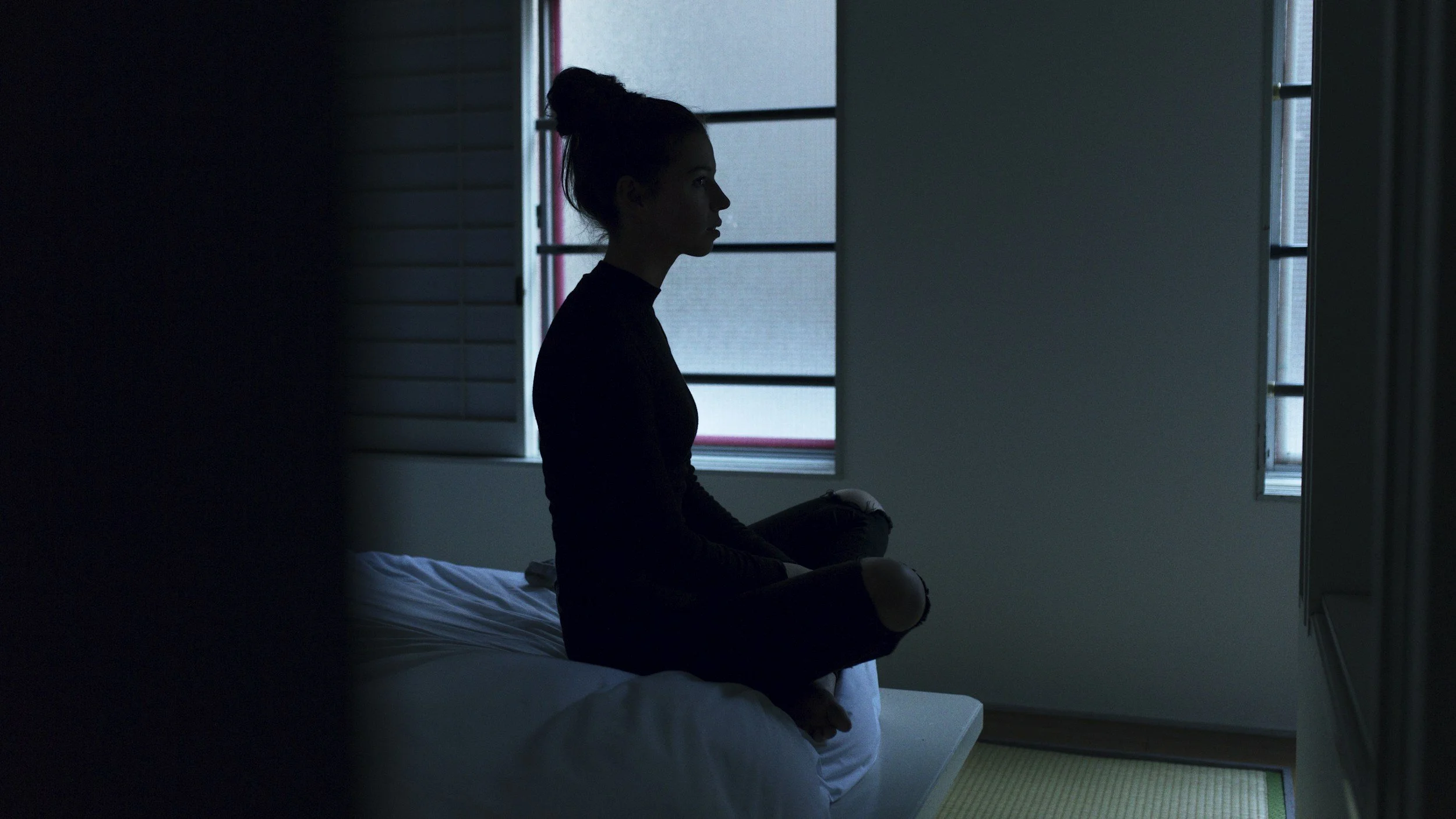
“Am I the Only One?” High-Achieving Professionals and Domestic Abuse
If you’ve ever wondered, 'Am I the only one?', you are not alone. Many high-achieving professionals quietly face controlling, manipulative, or abusive behavior at home. This post offers validation, insight, and guidance on finding confidential, tailored support— on your terms.
You Are Not Alone
I know what it’s like to smile while hiding tears and to edit my stories to convince others that my home life is happy and healthy. Meanwhile, I repeatedly asked myself, “Why is this happening to me?”
I was convinced that no colleague or other professional could personally understand what I was going through because I believed I was the only one. But I wasn’t. And if you are living this same complex, exhausting, and confusing life, you are not alone either.
Abuse Can Hide Behind Success
Many professionals who are successful, driven, and capable experience controlling, manipulative, or abusive behavior at the hands of their intimate partner. This does not mean you’re weak or failing—it means you’re human, and abuse can hide behind even the most polished careers.
You never asked to be in an abusive relationship, and you didn’t know it was going to become one. But the problem with domestic abuse is that the cycle traps you, and it can feel impossible to escape. That feeling—that your experience will never change—can drive you to hide it or convince yourself it isn’t happening.
Meanwhile, it is happening. You are being abused, and there are real consequences—psychological, emotional, and physical.
Why High Achievers Often Feel Alone
High-achieving professionals are often praised for resilience, composure, and problem-solving. These traits serve you well in the workplace, but they can make it harder to recognize abusive behaviors or to disclose abuse.
Your abuser may exploit your success, independence, or professional identity to maintain control over you, leaving you questioning how this can happen to you and whether anyone else has experienced the same things.
Contributing to your confusion is also the fact that you are surrounded by a society that typically portrays victims as individuals who don’t look like you—they are uneducated, low-income, or not respected professionals. This makes it easy to convince yourself that you are alone because domestic abuse doesn’t happen to people like you.
Abuse Is Real and You Are Not Alone
Your abuser is wrong—it is abuse. Societal stereotypes are misleading, and the narratives are false—people like you can be victims too.
You do not need to call yourself a victim. You do not need to publicly declare that your relationship is abusive. But, if you think you may be in an abusive relationship, it could be beneficial to objectively look at your situation. You can do this alone, and are not obligated to tell anyone.
If your partner exhibits a pattern of behavior to exert power and control through gaslighting, manipulation, belittling, humiliation, insults, degrading words, isolation, or threats, you may be in an abusive relationship. A comprehensive list of questions to ask yourself can be found here.
Experiencing Abuse Does Not Make You Weak
Many people who ask themselves, “Am I the only one?” are strong, competent, and resilient. They are respected leaders, fierce advocates, experts in their fields, and supportive mentors.
The problem is not you—and a secret life of abuse is not your destiny.
You don’t have to navigate this alone. Confidential coaching and support can help you:
Clarify your options and design a strategic, safe plan
Discover your personal goals and vision
Manage professional and personal challenges while navigating away from your abuser
Support is available on your terms—whether you want guidance, clarity, or simply a private space to think.
If you’ve been wondering, “Am I the only one?”, know this: you are not alone. Many high-achieving professionals quietly face the same challenges, and help exists when you’re ready. Reaching out for guidance and support is a sign of strength, not weakness.

“My Marriage Is Bad, But Not Abusive… Or Is It?”
Countless people stay in harmful relationships because they don’t believe their experience “counts” as abuse. I was one of those people. And if you have thought that about your relationship, this post is for you.
I didn’t admit that my marriage was abusive until years after my divorce. Even when he humiliated me, degraded me, reminded me that I was worthless, shoved me against walls, broke my personal items, or disappeared overnight, I still would tell myself that my marriage is bad, but it wasn’t abuse.
I repeatedly told myself:
“I would know if I were a victim — and I can’t be, because I would never allow that to happen. I would leave.”
“It’s bad, but there are good moments.”
“I wish he would hit me again.” Despite the bruises, marks, and pains, I told myself that if he actually injured me, then I would leave because that would be abuse.
Countless survivors who did not experience physical abuse, but endured psychological, verbal, sexual, or financial abuse, have told me that they also thought “I wish he would hit me just once, because then I would leave.”
The common theme that I hear from survivors, and that I experienced myself, is the belief that our abuse wasn’t “bad enough” to be considered abuse. If we weren’t hit, we told ourselves that we needed to be. If we were hit, we convinced ourselves that we needed injuries. If we had injuries, we rationalized that they were minor because we could hide them. We became masters at minimizing, justifying, and excusing.
I also became a master at compartmentalizing – and simply forgetting. I could endure my husband’s outrage one moment and then walk into my office with a smile on my face, working as though I hadn’t just been accused of having an affair, degraded, or threatened. To this day, over eight years later, I still have to wrack my brain to remember some of the worse things that happened– things that most people would never forget.
But it was abuse. It didn’t need to be “more” or “worse.” It was all abuse.
If you have had these thoughts, I suggest you ask yourself the following questions.
Do I avoid certain places, actions, people, or topics because they make my partner unreasonably upset?
Do I edit or leave out parts of stories about my relationship or partner because I’m worried others might think badly about my partner or my relationship?
Do I feel like I often minimize or excuse my partner’s behaviors or actions?
Am I frequently checking in with or updating my partner about my whereabouts because I feel anxious or afraid of being questioned or accused?
Do I feel like I’m constantly accommodating my partner to avoid their negative actions or reactions?
Do I feel punished by my partner when I do something they do not like?
Do I feel anxious or fearful about how my partner might react to my actions or decisions?
Have I experienced or feared physical harm, threats or destruction of my property from my partner?
Has my partner ever called me names, made degrading comments, yelled, intimidated, or belittled me?
Does my partner give me the silent treatment when they are upset with me?
Does my partner’s behavior make me feel isolated from my friends or family or make me miss out on social activities?
Does my partner frequently criticize or find fault in what I do– even in small things?
Does my partner use affection (physical or emotional) or time together as a way to reward or punish me?
Does my partner talk down to me or treat me like I am a child?
Does my partner make jokes or comments that feel humiliating or hurtful, especially in public?
Does my partner use intimacy or sex as a way to control or pressure me?
Has my partner ever shamed me about my sexual desires or pressured me to meet their desires?
Does my partner manage or control my access to money by withholding, restricting, questioning, or taking it from me?
If you answered yes to any of these, it may be a sign that your relationship is affecting your well-being and may be abusive. Recognizing these behaviors that feel harmful or unsafe is a brave first step.
To learn more about the many forms abuse can take, you can explore additional resources here. And if you’re ready to reclaim your freedom and peace, TLC is here to support you through confidential, strategic caWe will walk beside you every step of the way.
Certified Professional Coach Amanda Lee has been in your shoes. She endured—and ultimately broke free from—an abusive marriage while building a successful career as an attorney. Today, she uses that lived experience and professional expertise to guide others toward safety, clarity, and a future defined by strength, not fear.
Let TLC help you find the freedom to thrive.
If you are in immediate danger - call 911.

A Letter to My Former Self: You Are Worthy
Recognition, validation, and encouragement from a domestic violence survivor to herself before she found freedom from her abuser. A letter to inspire hope in victims who feel alone.
You do not call yourself a survivor. You don’t even admit that you are a victim. But deep down, you know that what’s happening in your home and in your marriage isn’t right. You know the feelings of fear and anxiety all too well — it has become your normal emotional state. It doesn’t come and go, it only intensifies and lessens, but is never gone.
Day after day, you fight to mask those feelings in public. You force a smile, struggle to enjoy even the happiest moments, and perpetually fight to survive, sometimes physically, always mentally. I see you thriving at work, earning respect, and being a fierce advocate with a relentless work ethic. I see you meeting the demands of your kids and your household, and being active in your community. I see you doing it all on little to no sleep. I see the pain in your eyes when you decline an invite from a friend, and I see the tears when you realize that the invites have stopped coming.
I hear him screaming at you, and sometimes you scream back — but each time, you question yourself, wondering if you deserve the words he hurls at you. I see him breaking windows, throwing objects, and shattering your heart. I see you pinned down, struggling, and later hiding the marks he left behind. I see you holding your baby with tears streaming down your face, praying she didn’t hear what just happened to her mother, and hoping your son never raises his voice.
I know how skillfully you’ve learned to compartmentalize — to live as two versions of yourself. One is the confident, capable professional who shows up to work and social events with grace and strength. The other is the silenced woman, hidden beneath layers of shame, who feels worthless, undeserving, and invisible. She whispers doubts: “Are you really worthy of praise or love? Do you deserve to be happy?” And even as the strong woman shines, that scared voice echoes louder in your mind.
I know the answer to those questions without even knowing the context – because the answer is yes, one hundred times yes. You are worthy of praise, love, happiness, and greatness. And to be clear, you do not deserve to be abused. Nothing you have done justifies it. Every time your abuser blames you, remember this: he always has the choice to walk away — but instead, he chooses to harm. That choice is his, not yours.
Your successes are yours — hard-earned, well-deserved, and real. The confident woman you show the world is not an imposter. She is you. And though the insecure voice may sometimes shout louder, it does not define you. These traits are each a part of you, and each one has contributed to your survival. Be proud of that. Even the parts that you wish away have given you extraordinary strengths: Your fear has sharpened your awareness and intuition. Your anxiety has made you proactive and prepared. Your insecurity has fueled your drive to grow and improve. But, as beneficial as those parts have been, those parts deserve rest - they have worked hard for years. And, you deserve rest too. Your mind is always racing, your body is tense, you are always on edge, and you are exhausted.
You deserve to feel confident and joyful without the whispers of doubt haunting you.
You deserve peace, safety, and the freedom to live as your whole self .
I know the idea of freedom can feel impossible when you are feeling isolated, ashamed, and afraid. You may feel certain that no one could understand. But, you are not alone. One day, you will meet other survivors, and they will know your pain and understand your fears. Together, your hearts will ache and a rare, special bond will be formed as you tell each other the same story with different details.
Right now, you are convinced that this is the life you are destined to live. You have learned to navigate a life with abuse, and the thought of leaving feels overwhelming. The unknown feels scarier than the abuse you already know. Yet, there are times when you allow yourself to imagine leaving and for a brief moment you feel excitement. But then, your insecure parts come screaming in your mind:
What will happen to my kids?
What will my family, colleagues, clients, and friends think?
How will I learn to live a new life while juggling three young children and a demanding career?
What if no one believes me?
And, then you remember all that you have missed out on – friendships, partnership, intimacy, moments of motherhood, professional opportunities - and you convince yourself that it is not worth the risk of losing what little you do have.
I am not going to lie and tell you that abuse doesn’t steal parts of life from you - it does - and its okay to feel anger, sadness, and grief about that. But, I am not going to let you dwell on what you’ve missed out on or allow you to define yourself by what you don’t have. Instead, I am going to encourage you to look at all that you have endured and overcome, and all that you have achieved in spite of that. You are stronger than your trauma - you are a beautiful, strong, survivor.
And that life that you can’t even imagine is waiting for you. The journey to that new life is not going to be easy but that’s okay because you can handle difficult times - and this time, instead of enduring pain simply to experience it again, you have freedom, safety, and happiness waiting for you. Be ready though. You are going to struggle through the healing journey because healing from abuse is more than learning ways to cope – it requires rewiring your brain, learning who you are, reliving your trauma, and taking a deep dive into your actions, thoughts, and behaviors to determine which are out of pure survival and which are a result of your own needs and desires. But the struggles of healing fuel your growth, unlike the pain of abuse.
I don’t want to spoil it for you but I will give you a sneak peak at what your new norm will be - your kids are happy and thriving, you are successful, you know what healthy relationships of all kinds look like, and you found true love – and you believe that you are worthy of it all.